


Start using Sol for free
Access all Sol.online features for 30 days, then decide which plan best suits your business.
 Safe and secure
Cancel any time
24/7 online support
Safe and secure
Cancel any time
24/7 online support



Register and set up your company in the UAE

Renew your UAE trade license quickly

Instant report generation

Generate tax declarations and accounting reports

No longer needed to deal with paper invoices

Accurate calculations and timely preparation of payment documents

Cash flow is the movement of money into and out of a business during a specific period. It reflects the company’s ability to generate cash to pay expenses, invest in growth, and return value to shareholders

A balance sheet is a core financial statement that presents a company’s financial position at a specific moment in time

Accounts Payable (AP) refers to the short-term obligations a business owes to its suppliers or vendors for goods and services it has received but not yet paid for. It appears as a current liability on the company’s balance sheet, typically due within 30 to 90 days

A purchase order (PO) is a formal business document issued by a buyer to a seller, indicating the intent to purchase specific goods or services

A credit invoice, also known as a credit note, is a document issued by a seller to reduce or cancel the amount owed by a buyer from a previous invoice. It serves as an adjustment to an earlier transaction, reflecting changes such as discounts, refunds, or returned goods. Credit invoices are commonly used to maintain accurate financial records and ensure that both buyer and seller accounts remain balanced.

A credit invoice, also known as a credit note, is a document issued by a seller to reduce or cancel the amount owed by a buyer from a previous invoice. It serves as an adjustment to an earlier transaction, reflecting changes such as discounts, refunds, or returned goods. Credit invoices are commonly used to maintain accurate financial records and ensure that both buyer and seller accounts remain balanced.

Bookkeeping is the process of recording, organizing, and managing a company’s financial transactions on a daily basis. It forms the foundation of the accounting process, providing a systematic and accurate record of all financial activities. This process ensures that every financial transaction, from purchases and sales to receipts and payments, is properly documented.

MAIN BLOG Bookkeeping vs Accounting: What’s The Difference? Bookkeeping vs Accounting: What’s The Difference? Source: unsplash.com Table of Contents What Is Bookkeeping? What Is Accounting? Bookkeeping vs Accounting: Key Differences In the world of business finance, the terms “bookkeeping” and “accounting” are often used interchangeably, but they refer to different

Cash flow is the movement of money into and out of a business during a specific period. It reflects the company’s ability to generate cash to pay expenses, invest in growth, and return value to shareholders
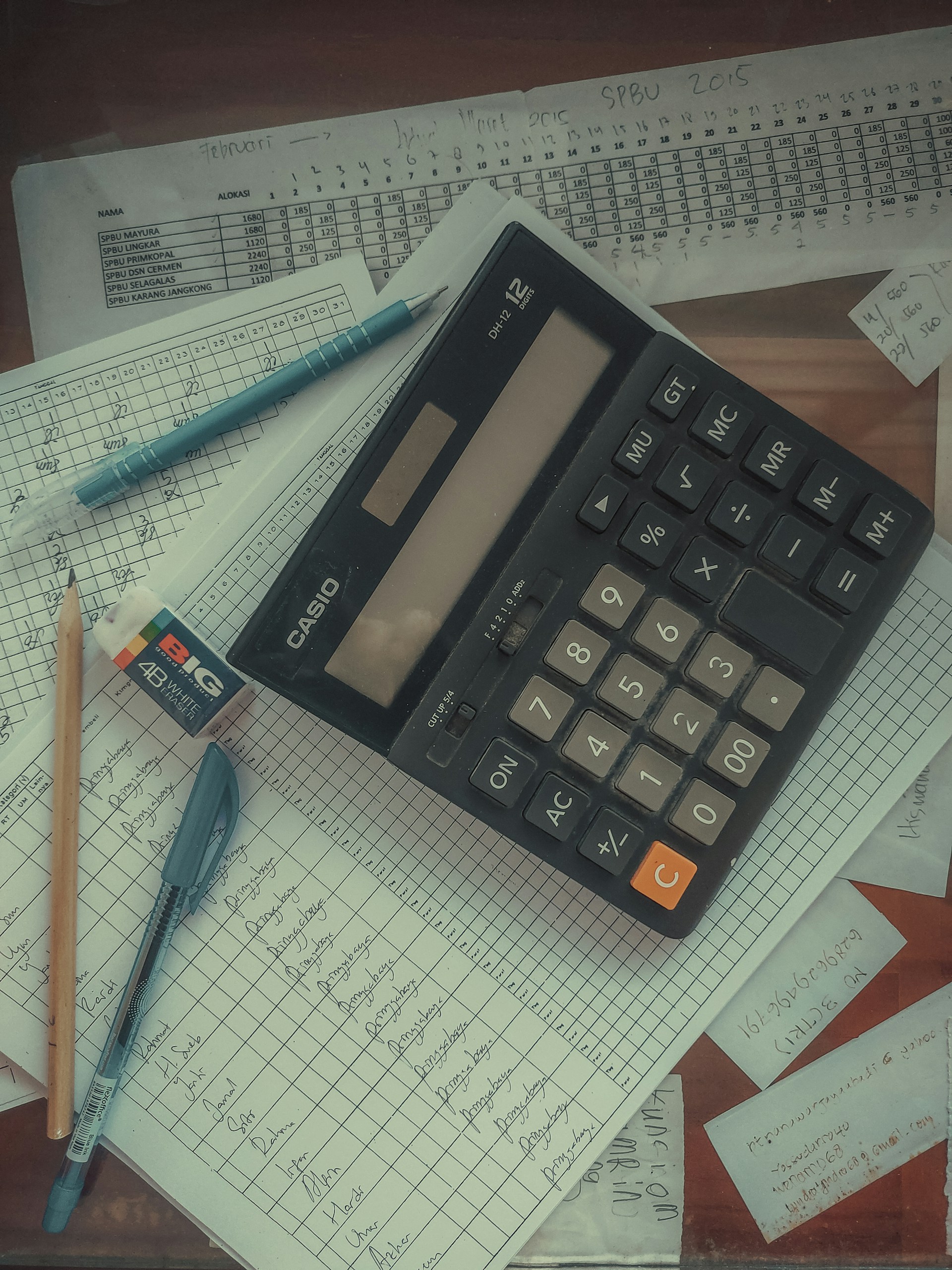
A balance sheet is a core financial statement that presents a company’s financial position at a specific moment in time

Accounts Payable (AP) refers to the short-term obligations a business owes to its suppliers or vendors for goods and services it has received but not yet paid for. It appears as a current liability on the company’s balance sheet, typically due within 30 to 90 days
A purchase order (PO) is a formal business document issued by a buyer to a seller, indicating the intent to purchase specific goods or services

A credit invoice, also known as a credit note, is a document issued by a seller to reduce or cancel the amount owed by a buyer from a previous invoice. It serves as an adjustment to an earlier transaction, reflecting changes such as discounts, refunds, or returned goods. Credit invoices are commonly used to maintain accurate financial records and ensure that both buyer and seller accounts remain balanced.

A credit invoice, also known as a credit note, is a document issued by a seller to reduce or cancel the amount owed by a buyer from a previous invoice. It serves as an adjustment to an earlier transaction, reflecting changes such as discounts, refunds, or returned goods. Credit invoices are commonly used to maintain accurate financial records and ensure that both buyer and seller accounts remain balanced.

Bookkeeping is the process of recording, organizing, and managing a company’s financial transactions on a daily basis. It forms the foundation of the accounting process, providing a systematic and accurate record of all financial activities. This process ensures that every financial transaction, from purchases and sales to receipts and payments, is properly documented.

MAIN BLOG Bookkeeping vs Accounting: What’s The Difference? Bookkeeping vs Accounting: What’s The Difference? Source: unsplash.com Table of Contents What Is Bookkeeping? What Is Accounting? Bookkeeping vs Accounting: Key Differences In the world of business finance, the terms “bookkeeping” and “accounting” are often used interchangeably, but they refer to different
Safe and secure
Cancel any time
24/7 online support
Safe and secure
Cancel any time
24/7 online support